
Heel spur or calcaneal spur
A heel spur, also called a calcaneal spur, is a bony growth that forms beneath the heel, specifically on the calcaneus. Following repeated microtrauma, calcium deposits accumulate where the plantar ligament attaches to the bone, gradually creating a spur-shaped growth. Our orthotists explain further!
A calcaneal spur is visible on an X-ray.
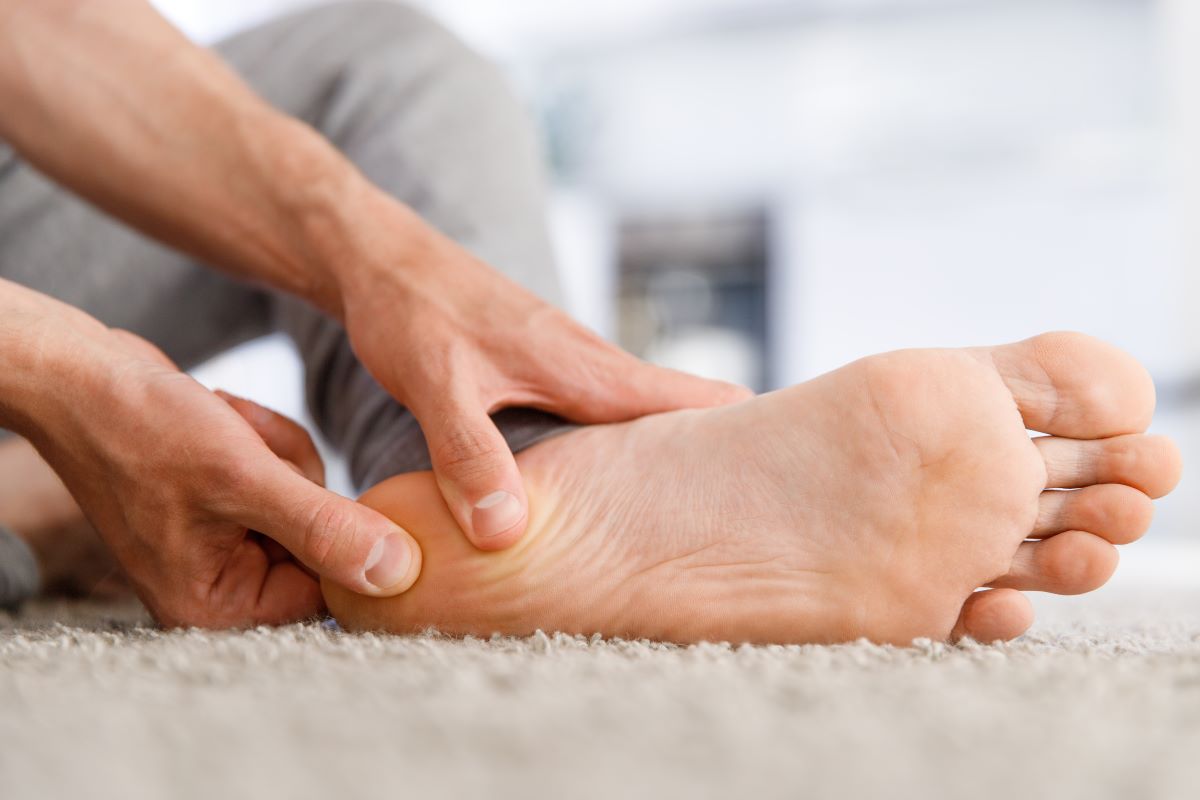

Difference between heel spurs and plantar fasciitis
Plantar fasciitis and heel spurs are often associated, but they differ in their nature and how they appear. Plantar fasciitis is inflammation of the plantar ligament that connects the heel to the toes and supports the arch of the foot. It causes pain in the heel or sole, especially during the first steps in the morning or after rest. A heel spur, by contrast, is a bony growth on the heel bone that often develops after untreated plantar fasciitis. A person can have one condition without necessarily developing the other.

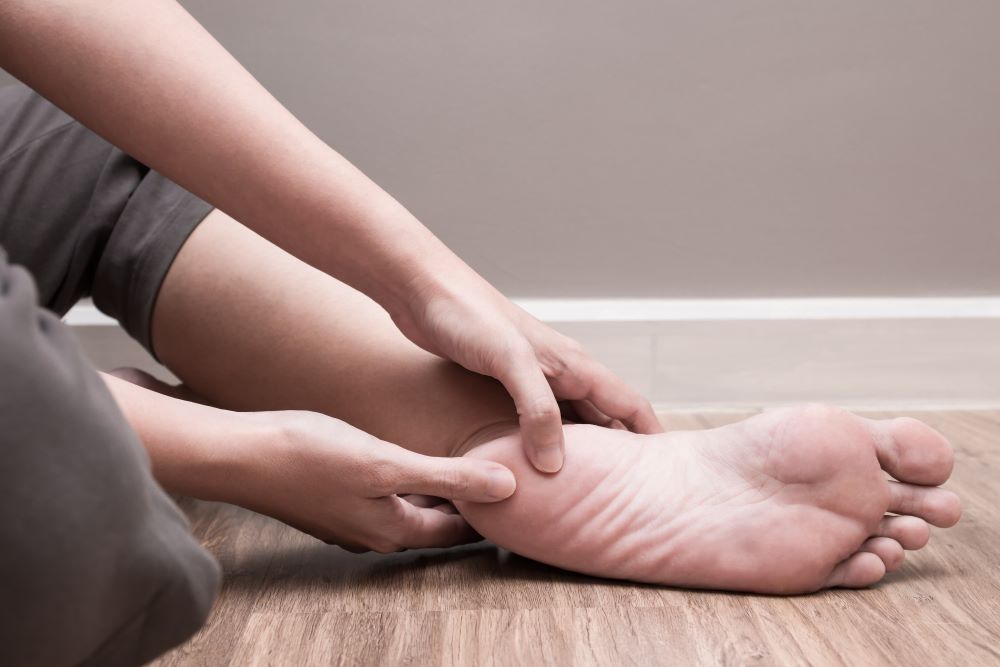

Heel spur: symptoms
A heel spur is often asymptomatic and is created by the body in response to chronic fascia inflammation, generally caused by plantar fasciitis. Some symptoms may nevertheless be associated with this growth:
Consulting a specialist is essential to rule out any other foot condition. A heel spur often results from untreated plantar fasciitis and requires appropriate care.
Causes of a heel spur
The causes of heel spurs are similar to those of plantar fasciitis and often involve a protective response to overuse of the plantar fascia. Common causes include:
- Excess weight — Obesity or pregnancy places additional pressure on the structures of the foot, increasing strain on the plantar ligament and contributing to heel-spur formation.
- Unsuitable footwear: shoes without proper support, cushioning or stability.
- High-impact activities such as running, weightlifting and jumping rope.
- High or flat arches: a high arch increases tension on the plantar fascia, while the collapsed arch of a flat foot distributes pressure unevenly. This excessive pressure can cause additional strain.
Are you experiencing pain?
Laboratoire Orthopédique Jérôme Marier supports your recovery with custom-made foot orthotics and orthopedic shoes. Book an appointment if you have heel pain or a medical prescription for orthotics.
Heel spur: treatment and prevention
Once the growth has formed, only surgery can remove it, although this option is rarely recommended. It is preferable to reduce inflammation and pain with orthopedic shoes or custom foot orthotics that support the arch, correct biomechanical imbalances and reduce tension on the plantar ligament and heel spur.
Nonsteroidal anti-inflammatory drugs (NSAIDs) and analgesics may relieve pain. It is essential to follow medical recommendations. Physical therapy, including foot and calf stretching and strengthening exercises, promotes flexibility and stability while reducing tension on the plantar ligament. Methods such as electrotherapy or shockwave therapy may also help reduce inflammation.
Finally, wearing appropriate shoes, maintaining a healthy weight and avoiding high-impact sports may help prevent heel spurs.
Your heel-spur orthotics from Laboratoire Orthopédique Jérôme Marier
Our orthopedic laboratory specializes in custom orthotics manufacturing, and offers orthopedic shoes adapted to each condition. Our goal is to find a solution that improves your quality of life.
Book an appointment to receive the relief you need!