
Achilles tendinitis
The Achilles tendon, also called the calcaneal tendon, is the largest tendon in the human body. It connects the calf muscles, including the gastrocnemius and soleus, to the heel bone, or calcaneus. It plays an essential role by transmitting muscular force for walking, running and other movements.
Frequent use makes it vulnerable to various conditions, including tendinitis. This painful inflammation can limit mobility and affect quality of life.

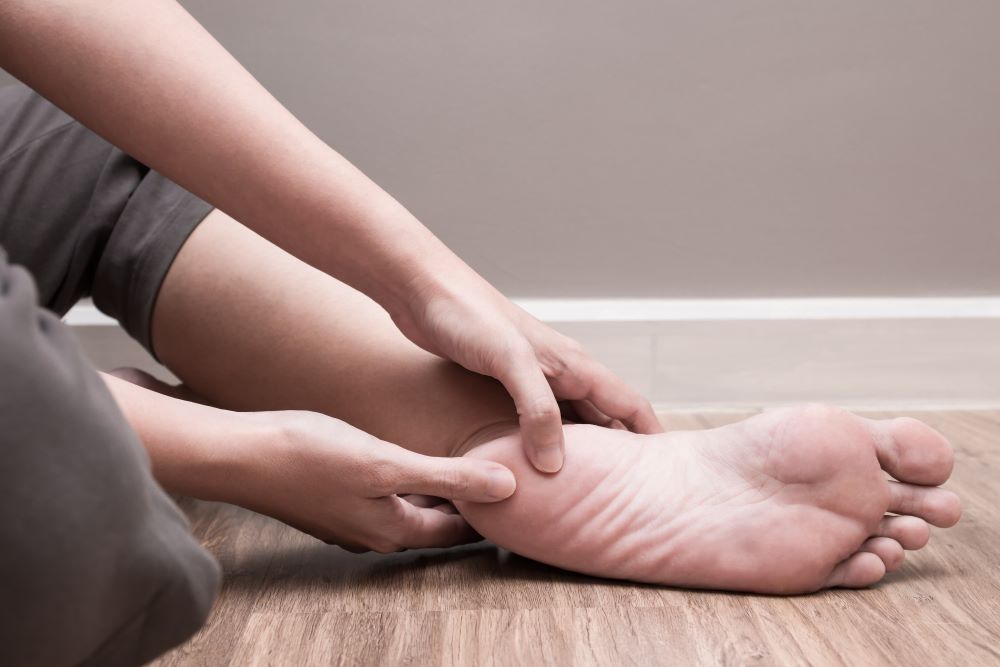
Pain behind the heel that can be particularly disruptive
Achilles tendinitis is common and may result from overuse or unsuitable footwear. The tendon loses elasticity with age, making the condition more common. Tendon rupture is the most serious form.
Pain behind the heel can range from mild to severe and worsens while walking, running or flexing the foot. This discomfort affects mobility and can make everyday activities such as climbing stairs or standing difficult.
Achilles tendon pain can also occur upon waking
Pain from Achilles tendinitis often occurs in the morning when weight is placed on the foot after a night of rest. This sudden transition from rest to bearing body weight intensifies discomfort. Pain may be felt when the foot forms a right angle with the ground, increasing tension on the Achilles tendon and causing significant discomfort.
Other symptoms of Achilles tendinitis
The Achilles tendon may develop bumps, nodules or swelling, indicating inflammation that is sometimes accompanied by a feeling of warmth. People with the condition generally experience stiffness, particularly after a period of inactivity, and intense pain upon waking when the foot is placed on the ground.
The area around the Achilles tendon may be tender to the touch. Light pressure or direct contact may trigger or worsen the pain. Together, this pain and discomfort can cause a limp or a change in gait to limit pressure on the tendon.

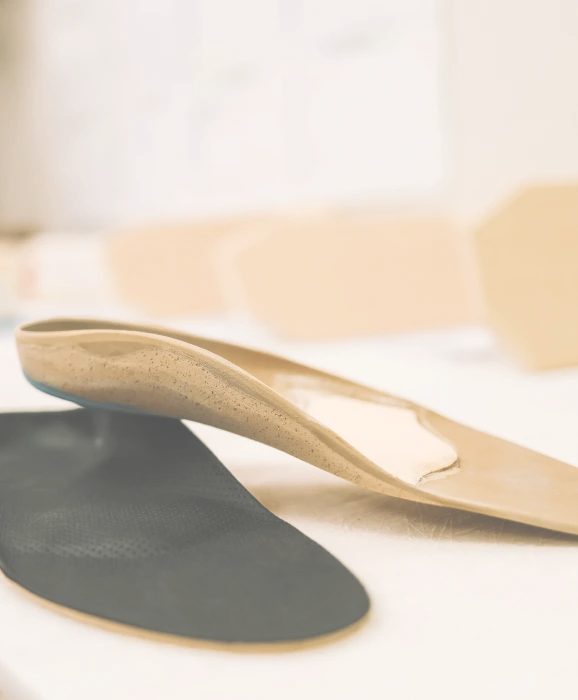
Did you know that foot orthotics can relieve Achilles tendinitis?
This common condition may be relieved with custom orthotics that support recovery.



Causes of Achilles tendinitis
Achilles tendinitis is often caused by tendon overuse during excessive athletic activity or activity without a warm-up, resulting in repeated microtrauma.
This foot condition may also have other causes:
Treatment for Achilles tendinitis
To treat Achilles tendinitis, there are orthopedic solutions adapted to the condition.
First, relieve pain and reduce inflammation with ice packs and rest, which means stopping athletic activities.
Next, keep the ankle flexed using foot orthotics, an ankle brace or orthopedic shoes. These devices effectively reduce everyday tension on the tendon.
In the event of an Achilles tendon rupture, more significant treatment such as a cast or surgery may be considered.

How long does it take to recover?
Recovery time for Achilles tendinitis varies, but with rest, orthotics and medical follow-up, recovery generally takes three months. Athletic activity is restricted for at least one month.
Relieve your Achilles tendon pain with Labortho
At Laboratoire Orthopédique Jérôme Marier, our custom orthotics provide comfort and freedom of movement. Do not let the pain persist. Contact us today to book an appointment and address Achilles tendinitis. Rediscover the pleasure of moving more comfortably.